Virality System 1
Virality System 2
Virality System 3
Virality System 4

App Dev / Case Study

Virality System

Designing a social app where creators can buy visibility on trending posts and monetize their own content, from the VIR concept through to checkout.

UI/UX DesignCreator EconomyVIR SystemMonetization

Brand

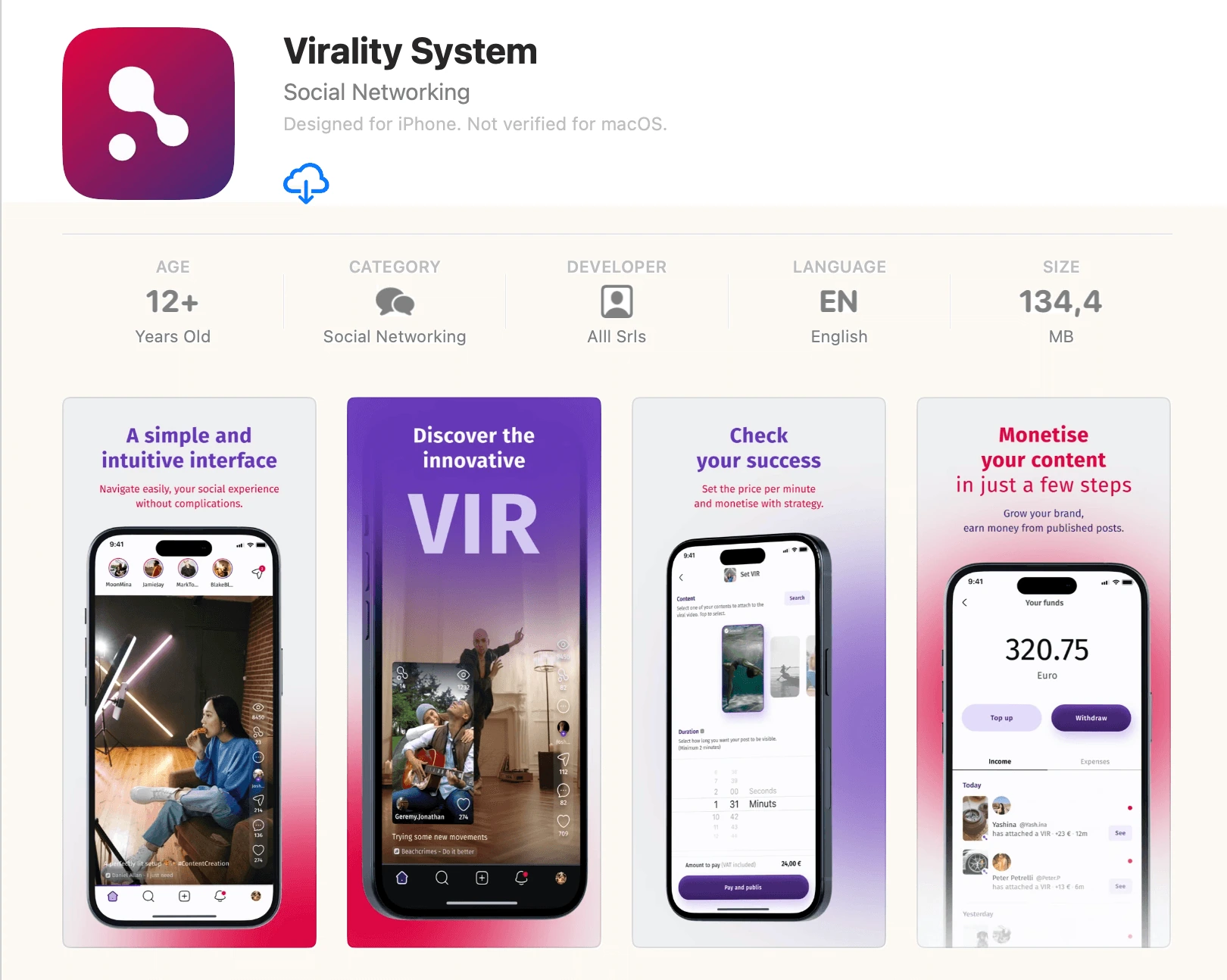
Virality System is a social platform for creators and users who want to increase content visibility and turn engagement into economic opportunity.

At its core is VIR: a media placement that users can purchase above a trending post. Buyers can promote their own content, while the creator hosting the VIR can earn revenue from that space.
Challenge

The challenge was to introduce a new mechanic inside a familiar social interface without overloading the feed, profiles, content creation, or payment flows.

VIR had to feel visible, desirable, and understandable from the first use, without overshadowing the original trending content it connects to.

Brief

The brief was to design a contemporary, intuitive app aligned with existing brand guidelines and able to make VIR the platform's core differentiator.

Method

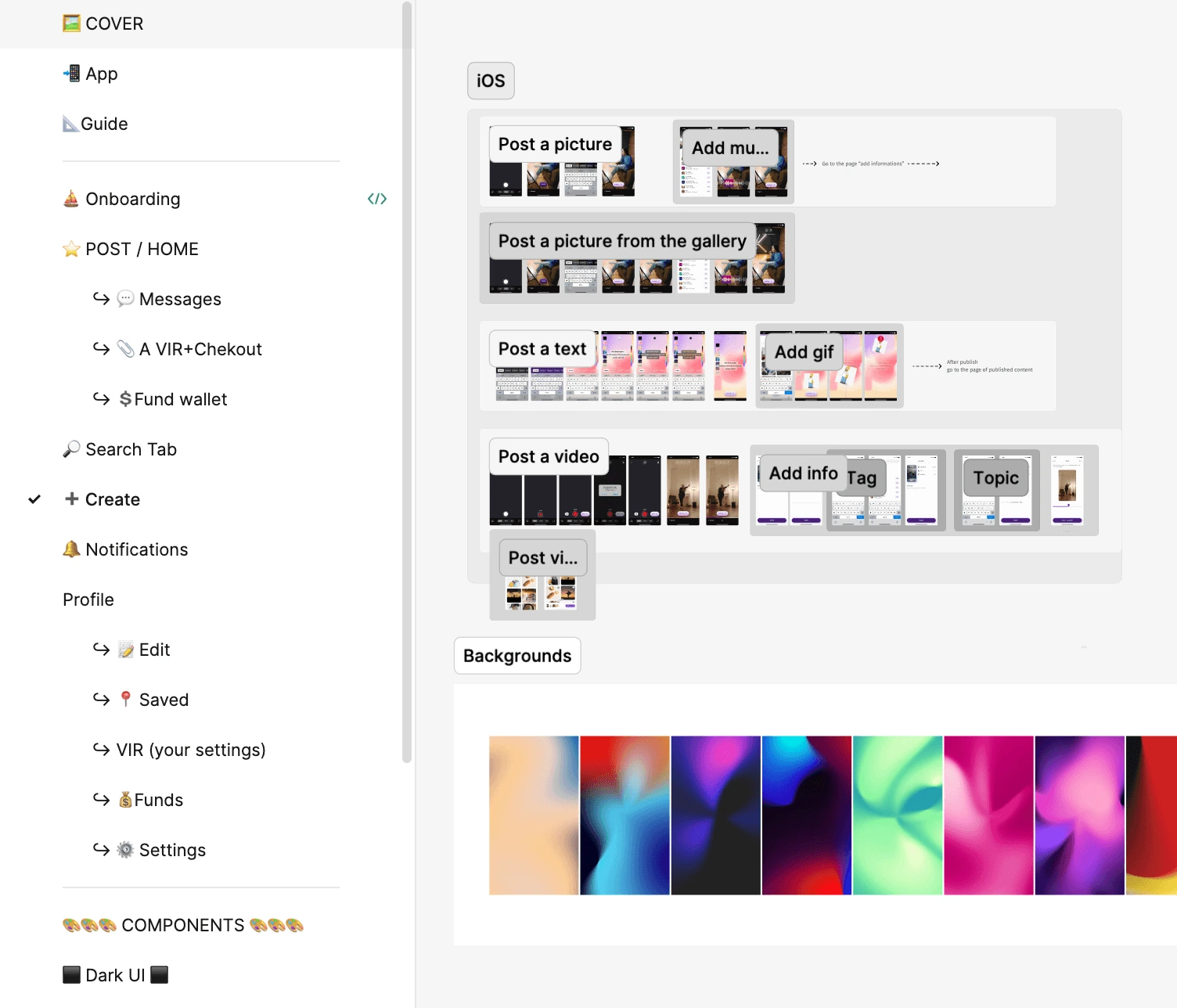
Information Architecture

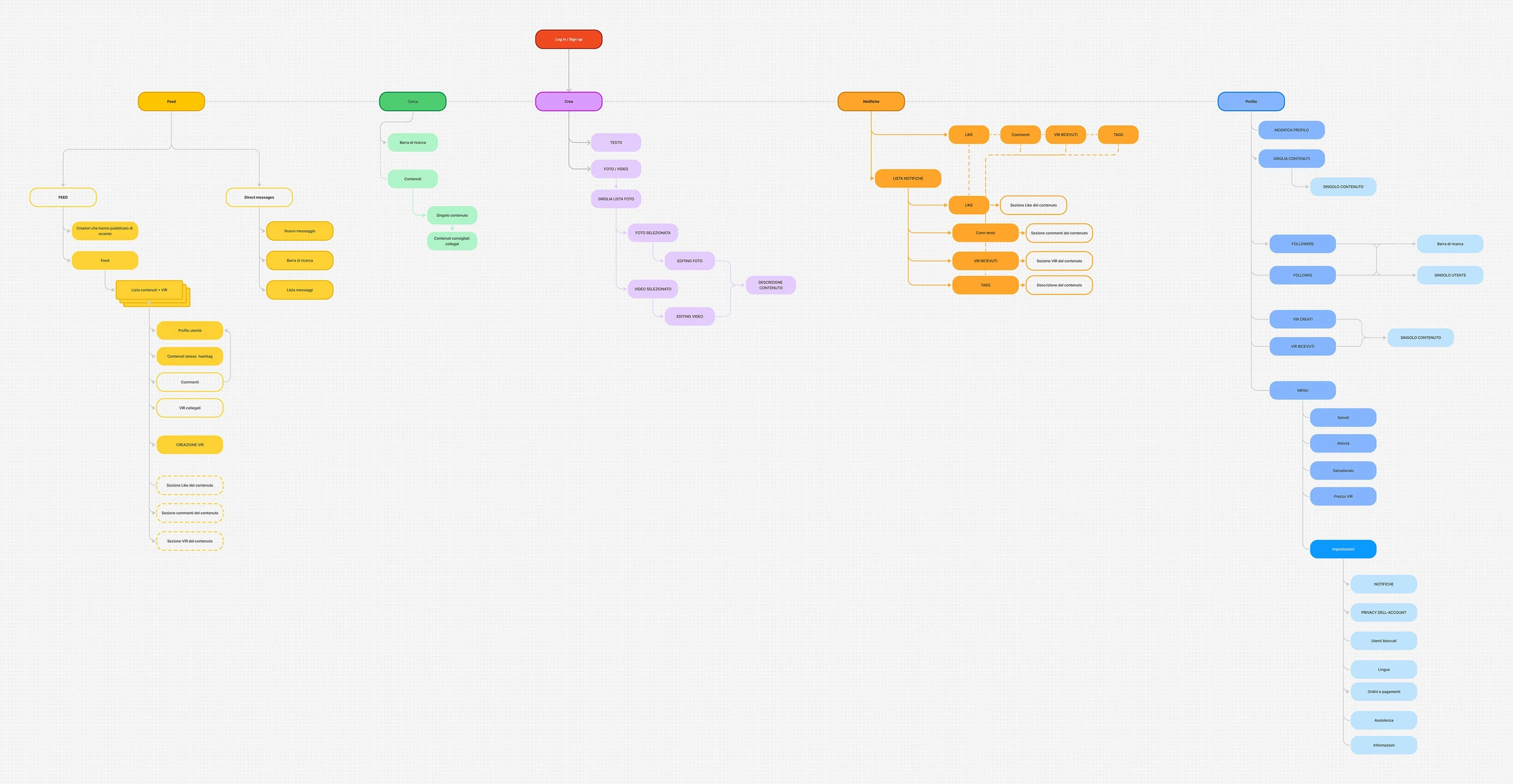
Social platforms are built on continuous loops: discovery, interaction, creation, profile, notifications, purchase, and return to the feed. We broke down recognizable social patterns through reverse engineering, then rebuilt the experience around VIR as the proprietary product mechanic.

  • Keep a clear path across discovery, content creation, and monetization
  • Deliver a familiar experience for users already used to leading social apps
  • Integrate VIR without creating a separate layer of product complexity
Information Architecture

Analysis

Wireframe Exploration

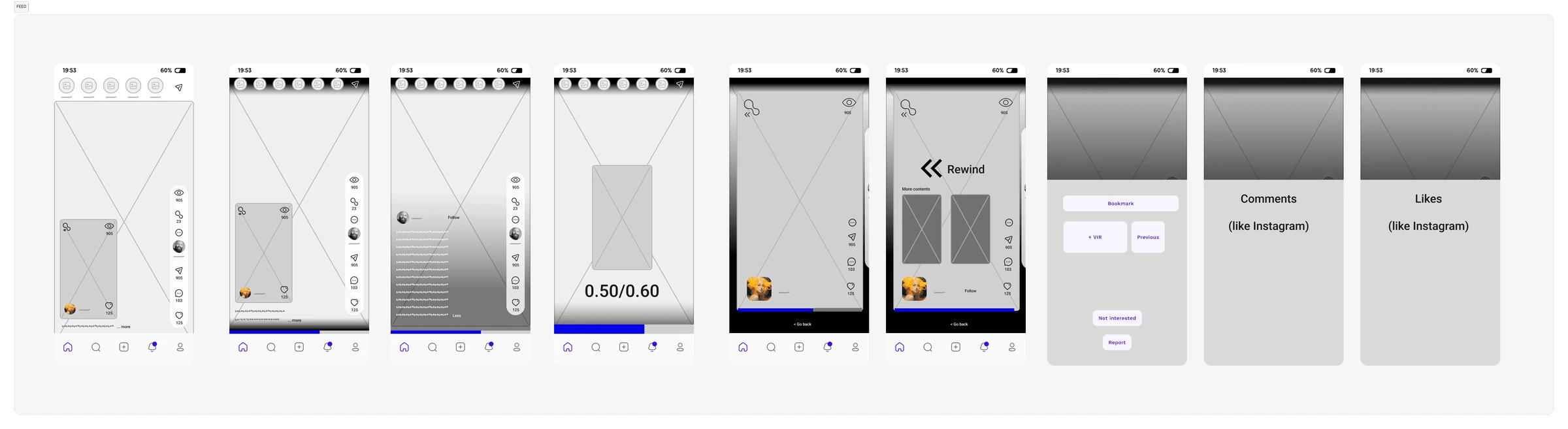
Low-fidelity wireframes focused on the features that were new to the product: presenting VIR and purchasing a media placement. Familiar social interactions drew on established platform patterns. This stage explored information hierarchy and the steps involved in payment before the detailed screen designs were developed.

Wireframe Exploration

UI Design

High-Fidelity Design Process


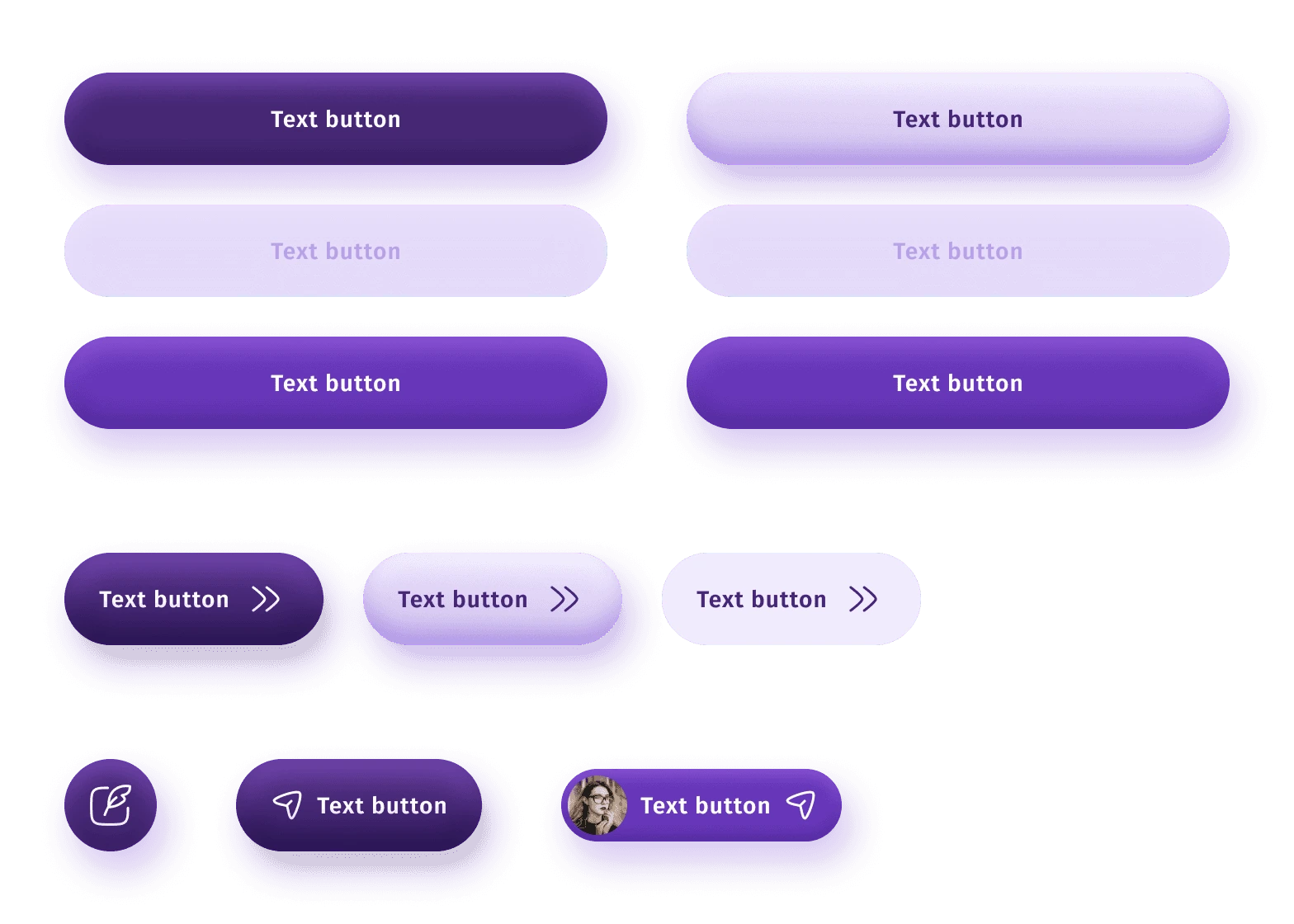
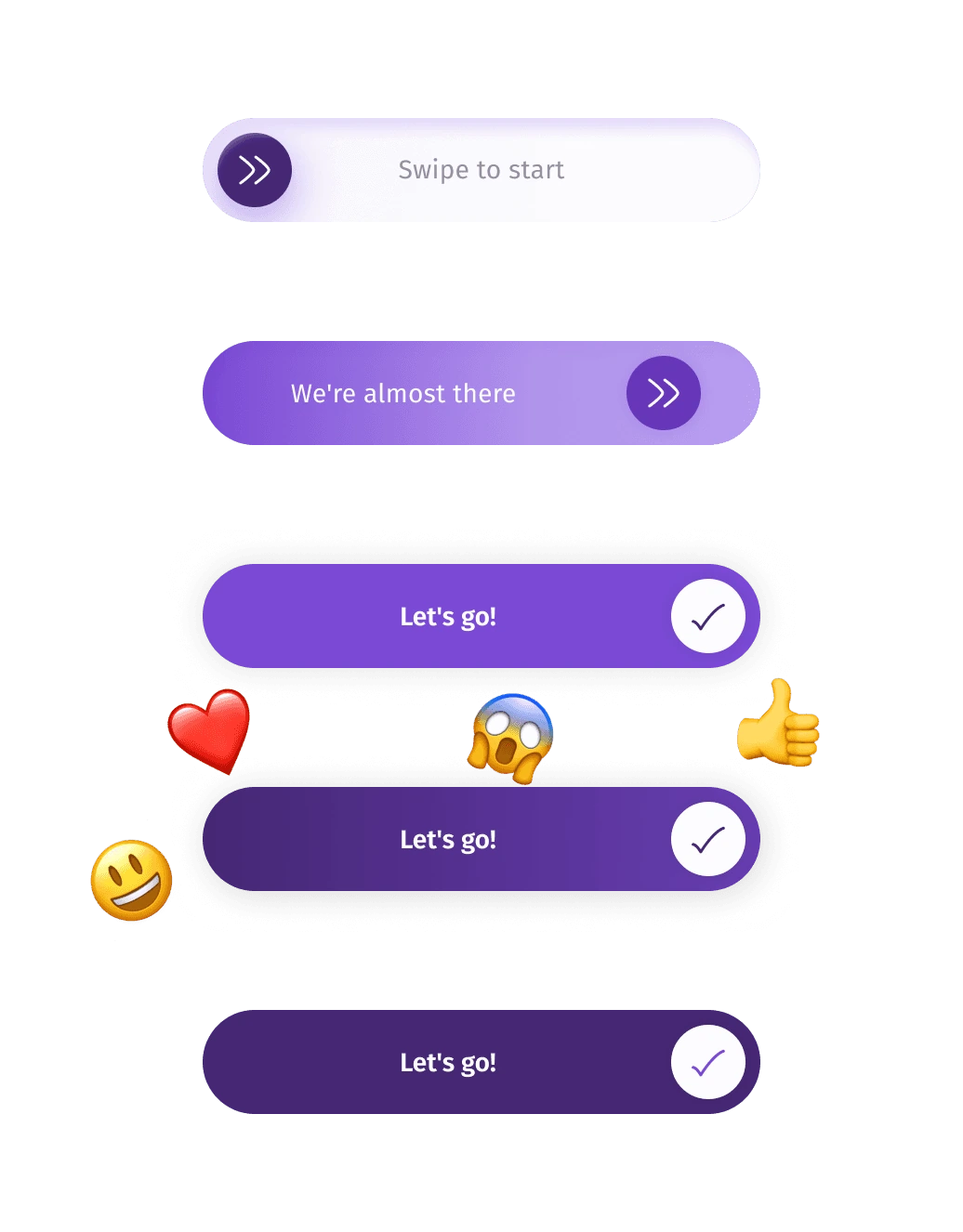
A social app is not only a set of screens. It is rhythm, micro-interactions, feeds, profiles, comments, avatars, and states that must remain clear while content constantly changes. Messages, comments, and avatars were built as editable elements, making it quick to preview screens with different content. Buttons and supporting components brought a playful character to creation flows and settings while respecting the existing brand identity.

Virality high-fidelity UI
Virality high-fidelity UI detail
Virality high-fidelity UI mobile

Onboarding

Log In and Sign Up

Sign-up was designed to ask for few details and make getting started straightforward. An introductory image and a clear message about the platform gave users a reason to explore, without burdening the first interaction with unnecessary requests.

Log In and Sign Up

Product

Feed Interaction

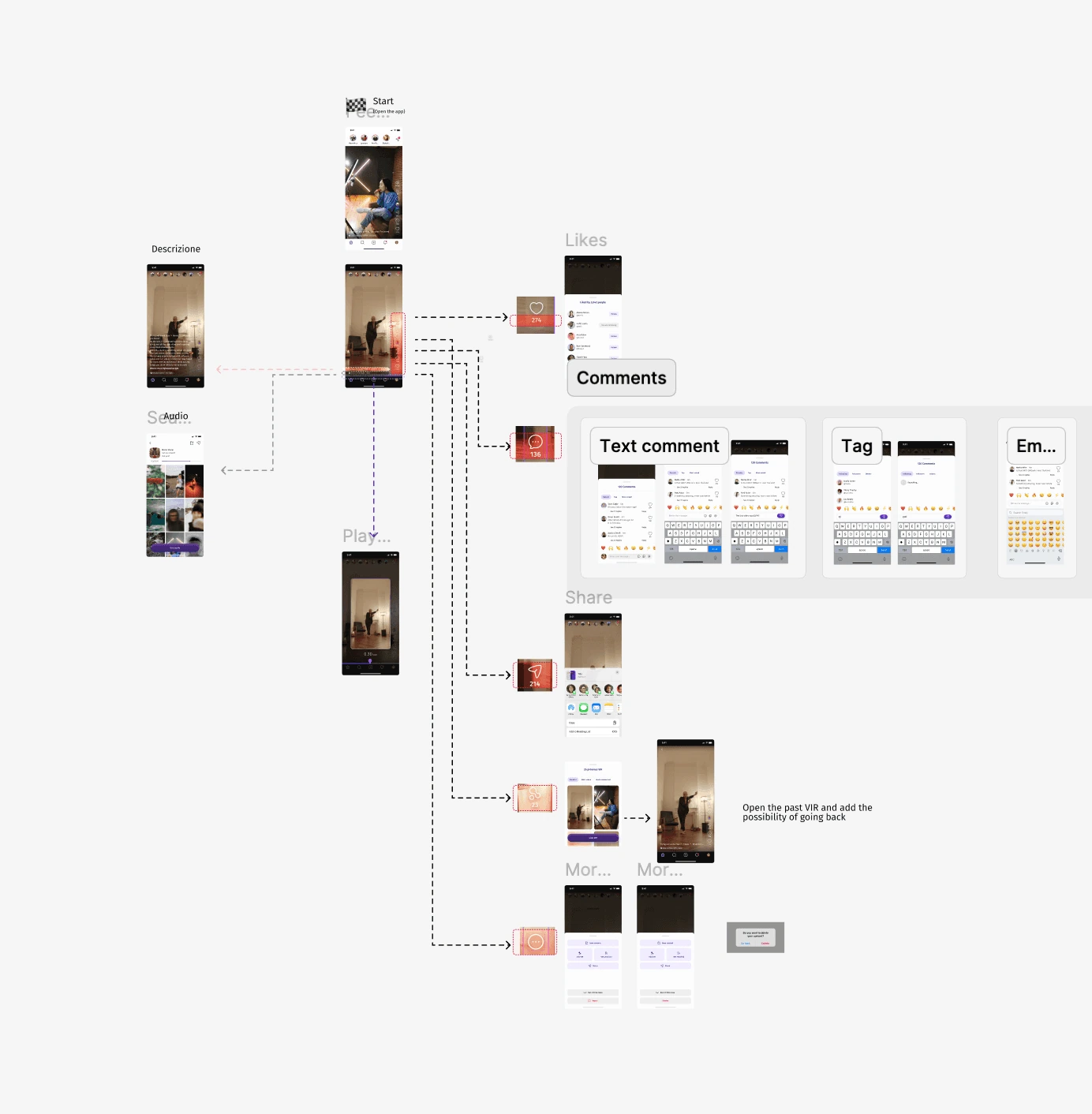
Every feed card can open different paths: viewing, profile, comments, social actions, connected VIR placements, and monetization steps. We mapped these scenarios to make interface behavior clear at every sensitive touchpoint.

Feed Interaction

Core mechanic

VIR

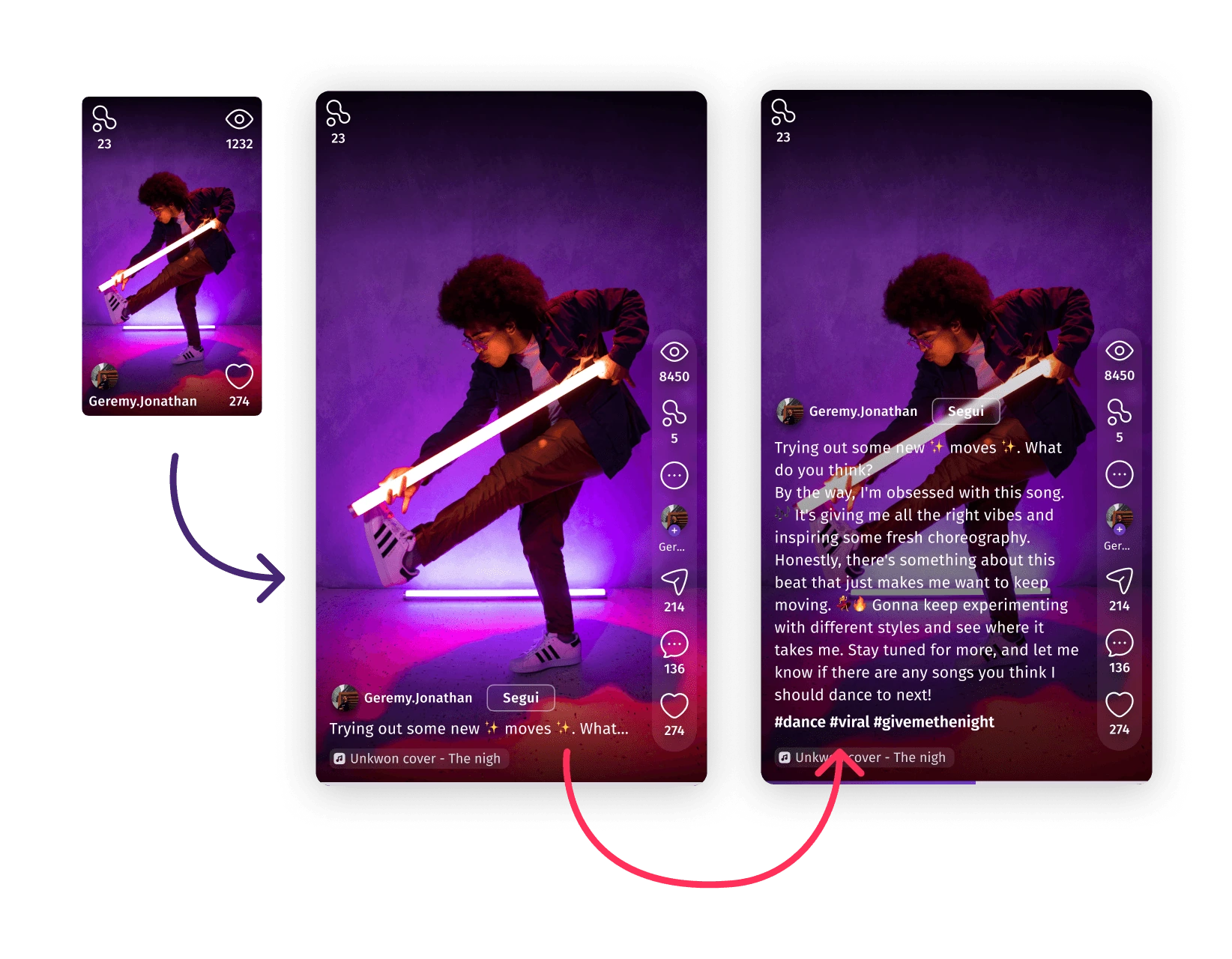
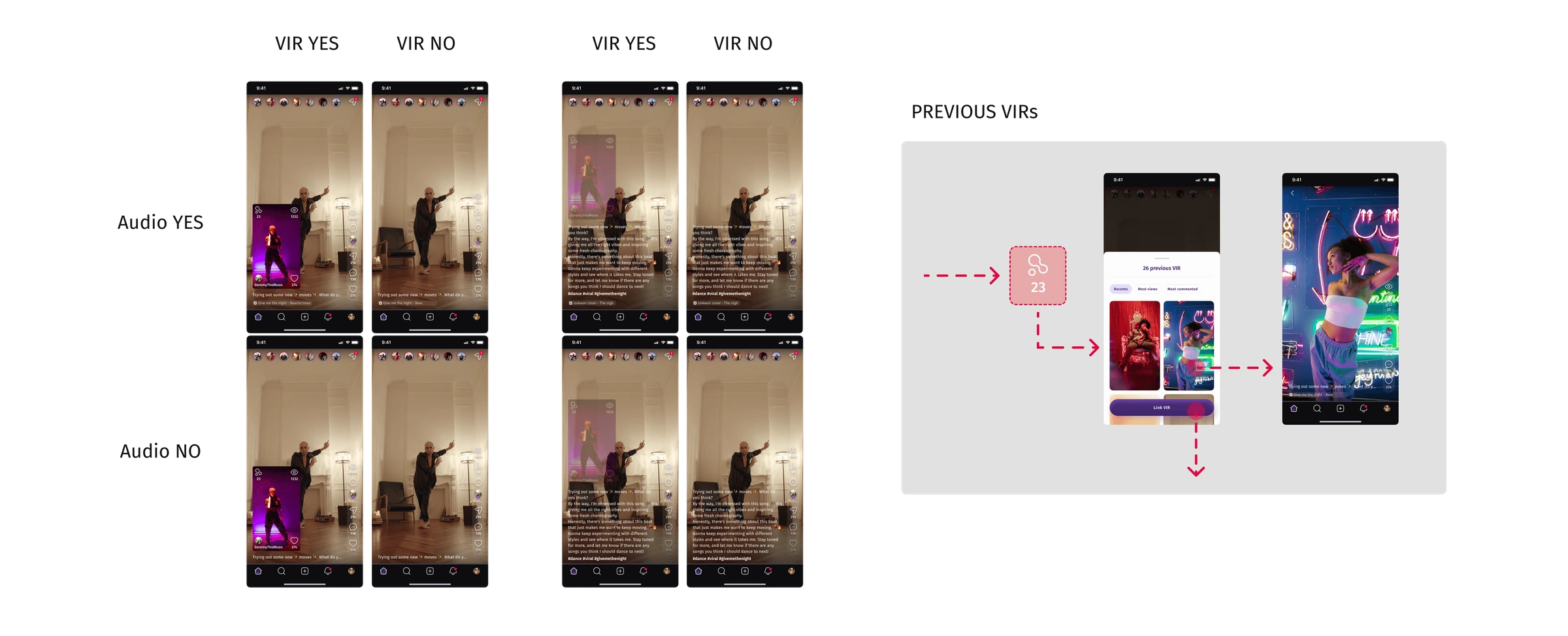
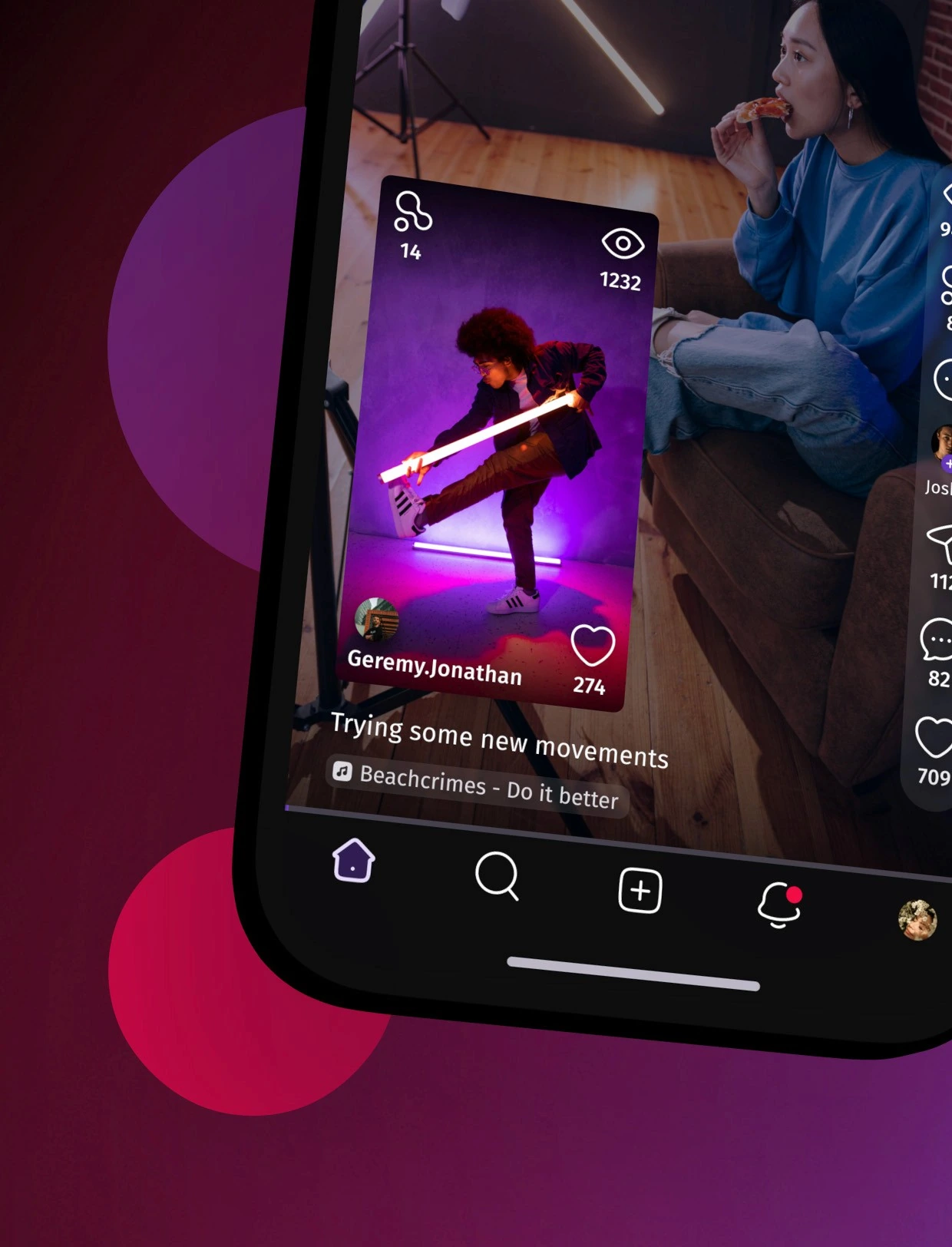
A VIR appears above the post hosting it. Its size and position were explored using examples of popular content from other social feeds, with the aim of making the paid placement visible without overshadowing the original post.

The design also defined the information shown on the VIR card and the actions available when users tap it. Placement, content, and interaction needed to work together to explain an unfamiliar feature.

VIR
VIR 1
Virality VIR and checkout flow

Checkout flow

Adding a VIR

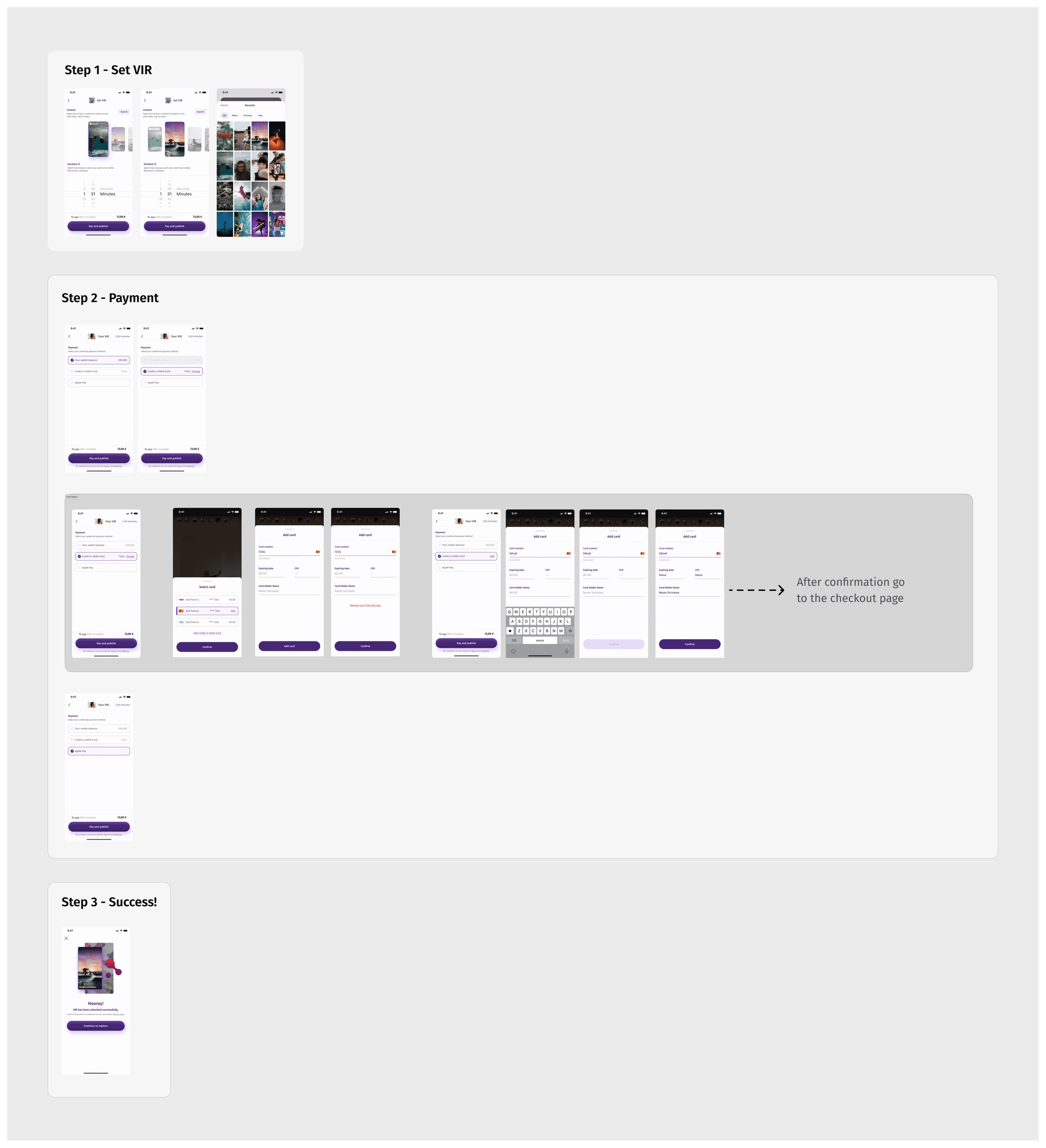
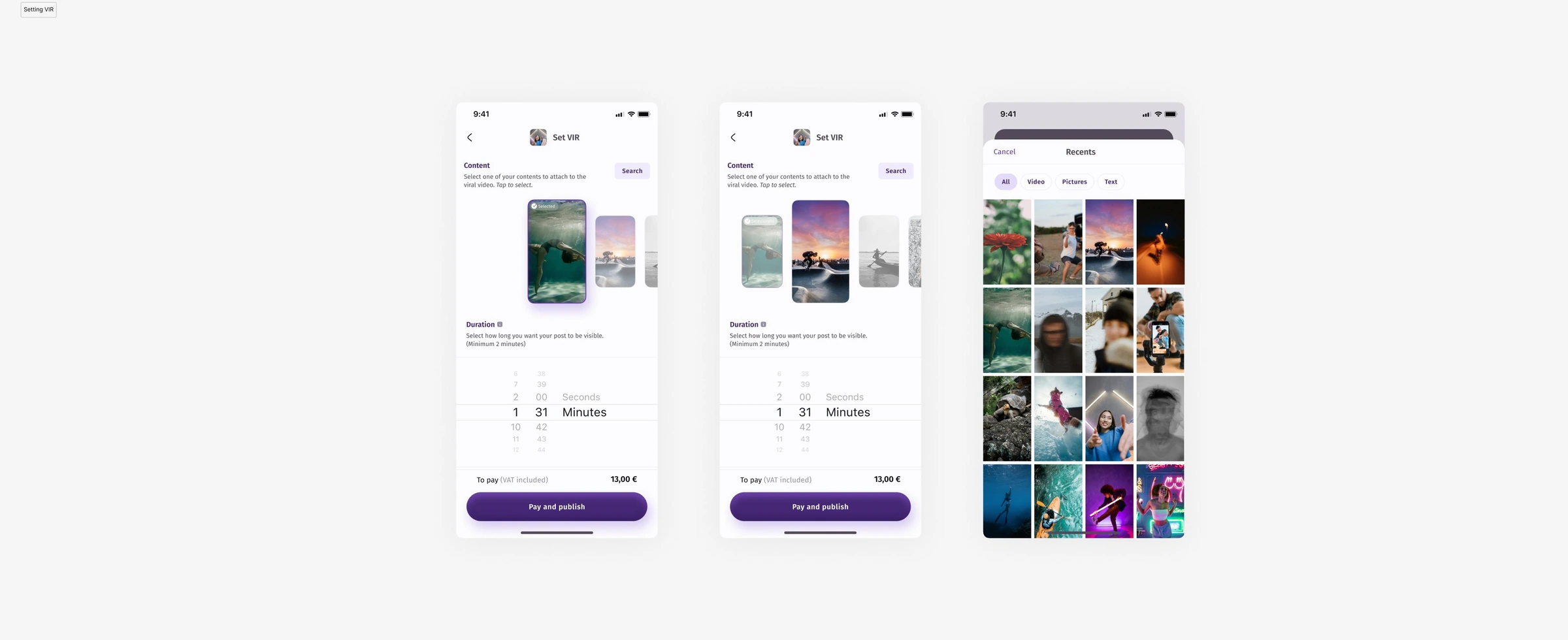
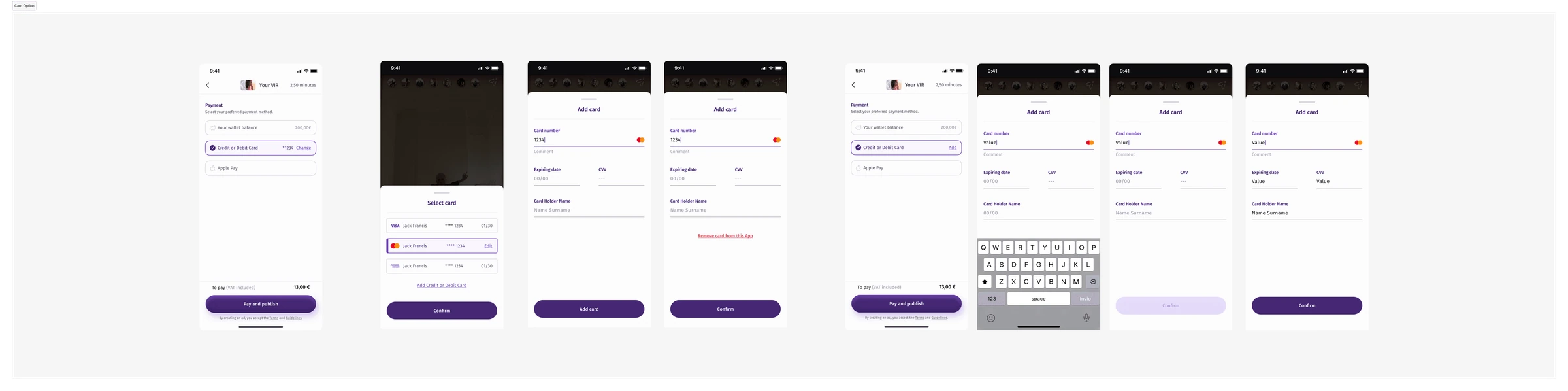
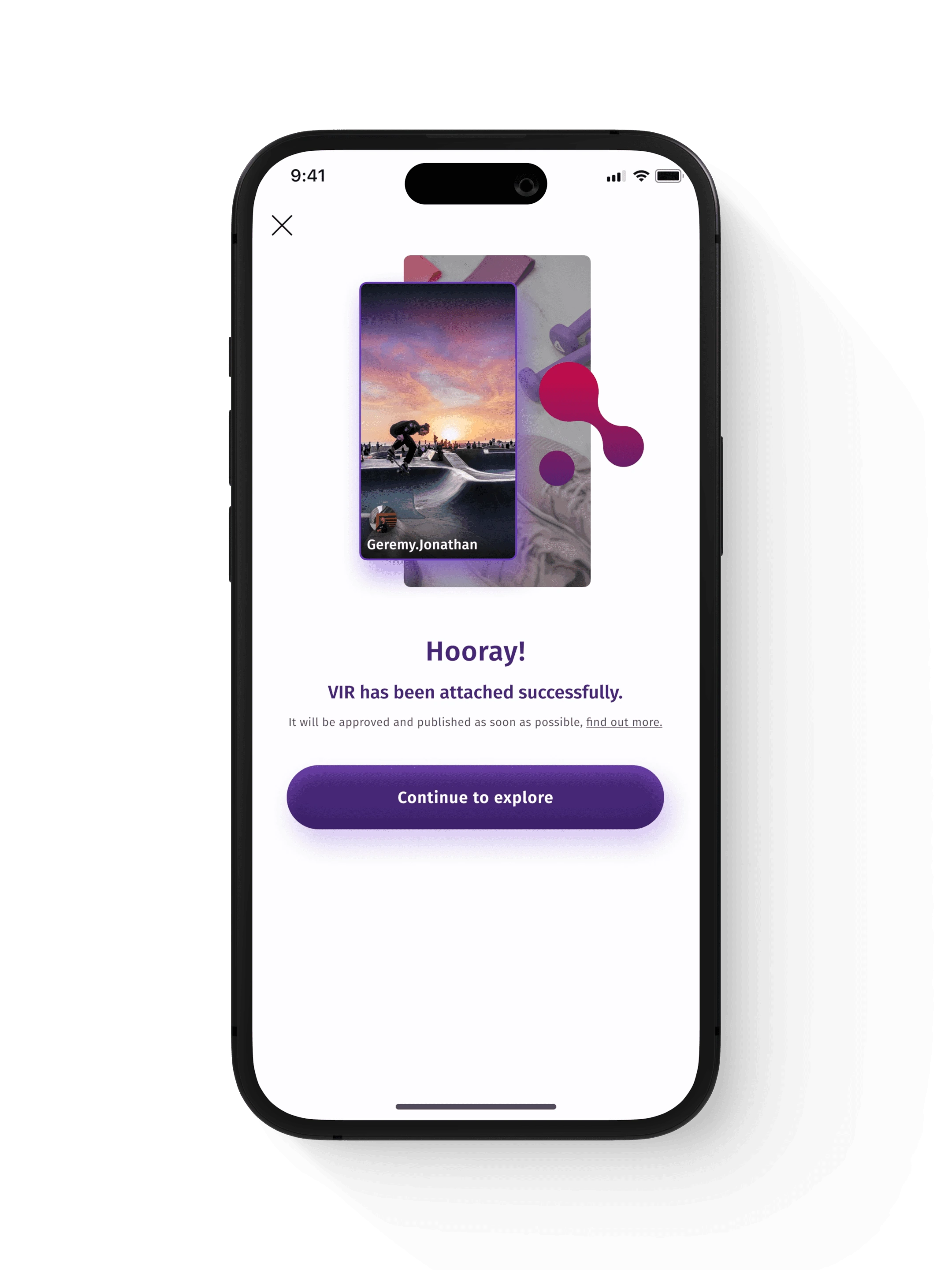
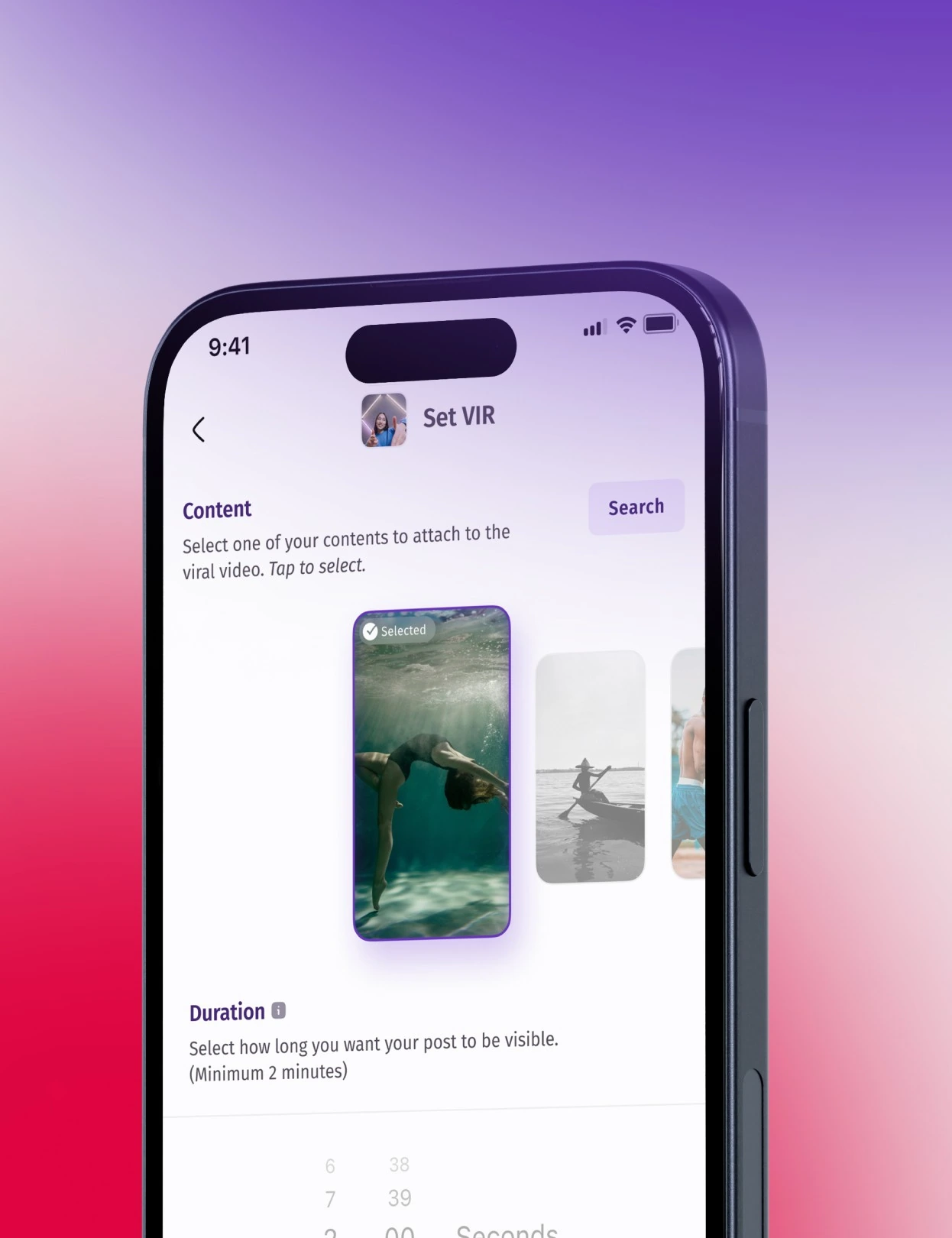
Adding a VIR involves two flows: configuring the media placement, including content and duration, and checkout, using either wallet balance or traditional payment methods. Configuration and payment were treated as distinct stages, helping users understand their choices before purchasing. A clear, visually satisfying success screen completes the flow.

Adding a VIR
Adding a VIR 1Adding a VIR 2Adding a VIR 3

Product decisions

From creator revenue to developer handoff

Product quality did not depend only on the main screens. Secondary areas had to support trust, repeated usage, and faithful implementation.

Receiving a VIR

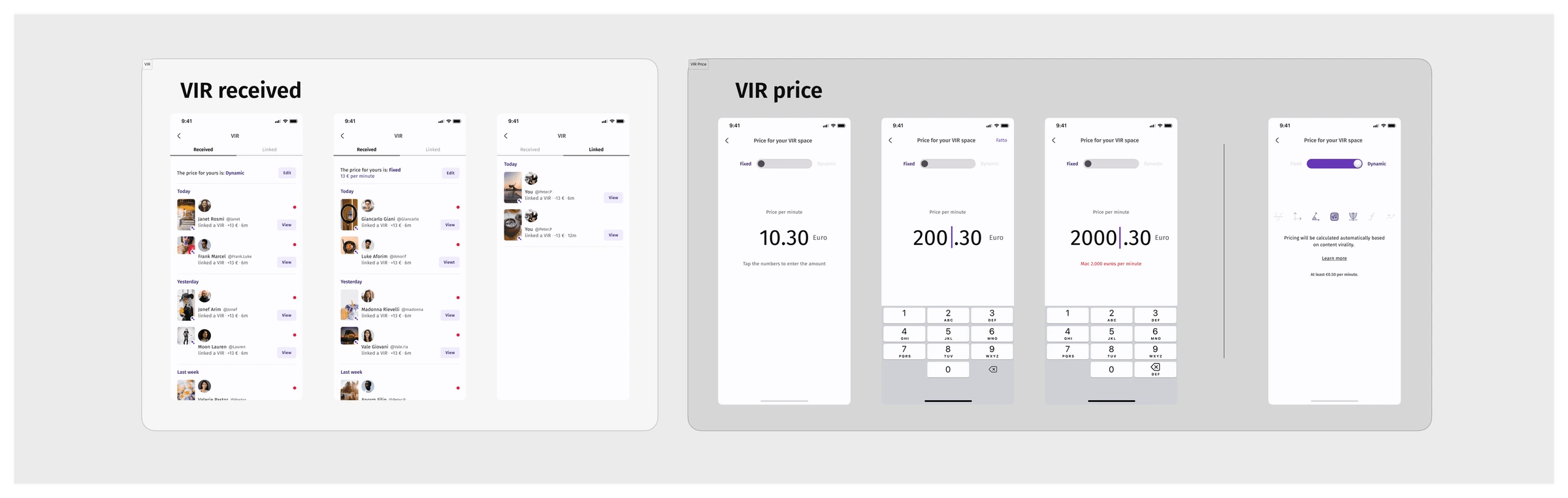
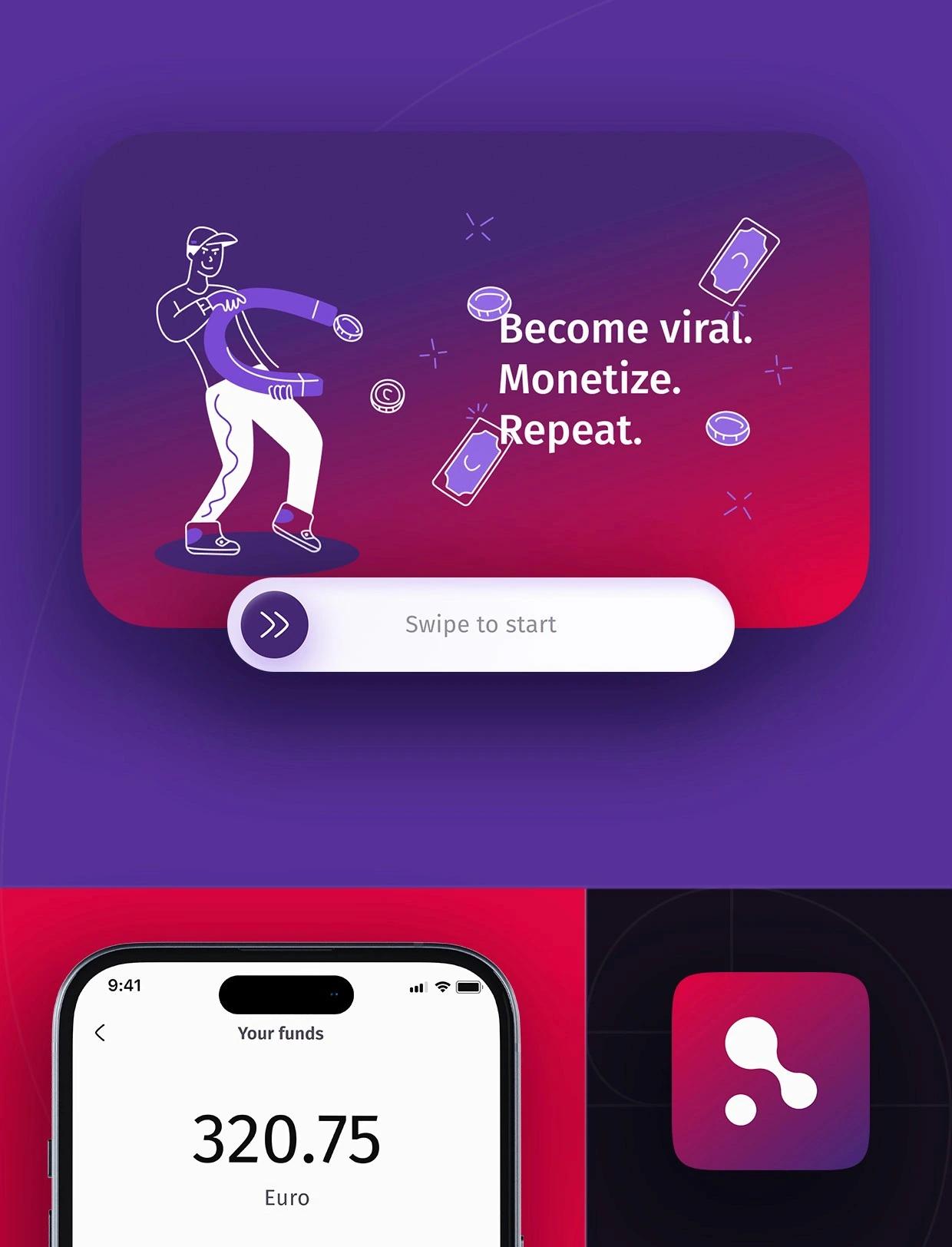
Creators hosting a VIR need to set a price for their space and withdraw their earnings. The design covers these tasks alongside feedback messages for potential checkout and withdrawal issues, so users can understand the outcome of a transaction.

Receiving a VIR

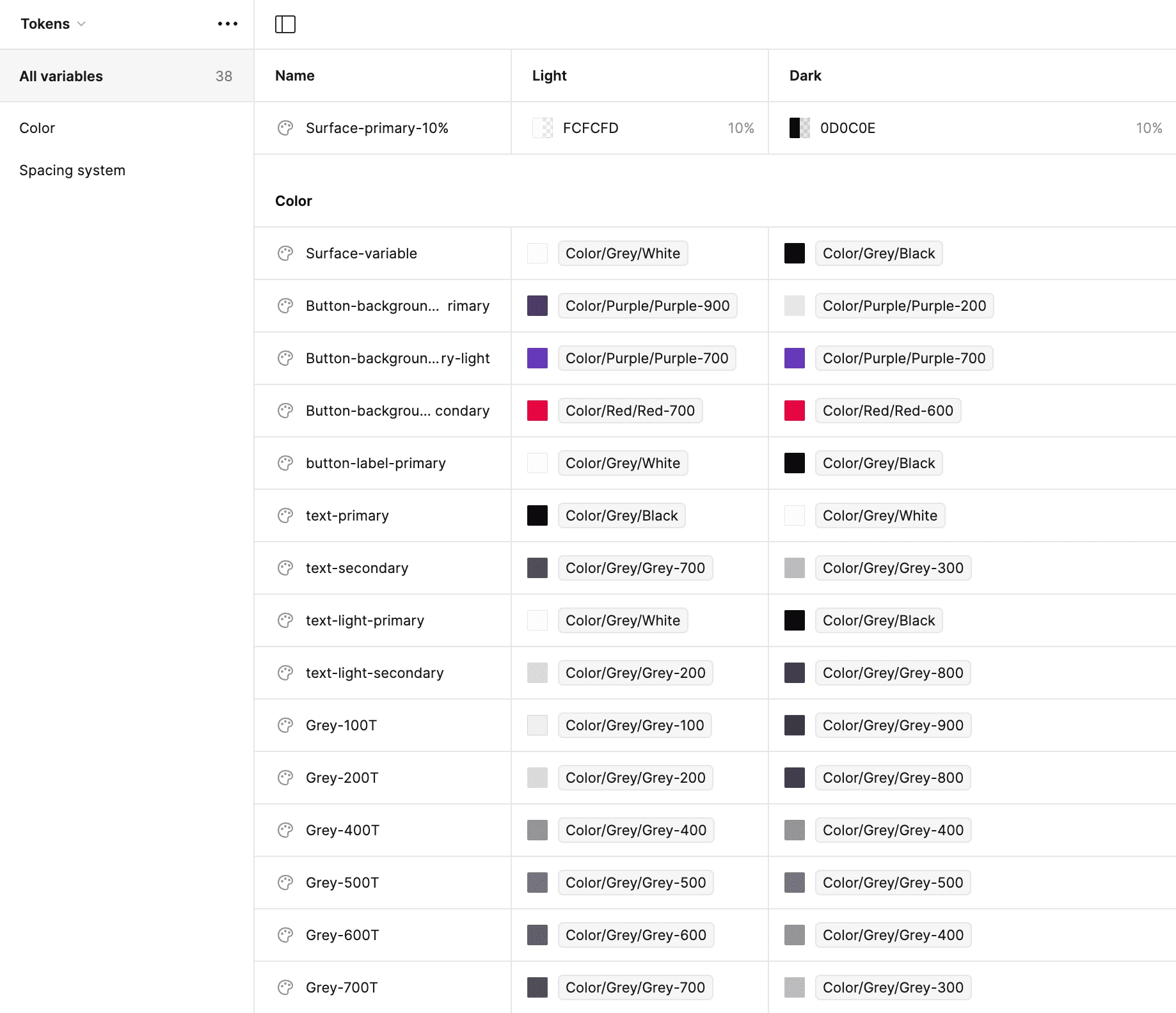
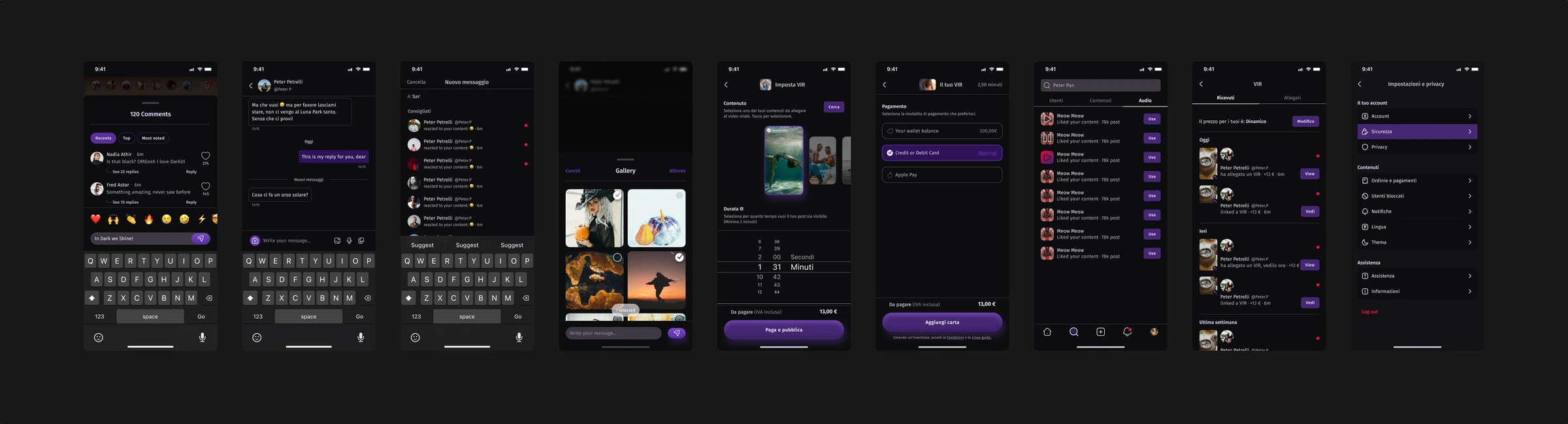
Dark mode

Dark mode was developed as a consistent alternative to the light interface, with attention to use in low-light environments. Contrast, readability, and the treatment of visual elements were considered together to preserve the identity of Virality System.

Dark mode
Dark mode 1

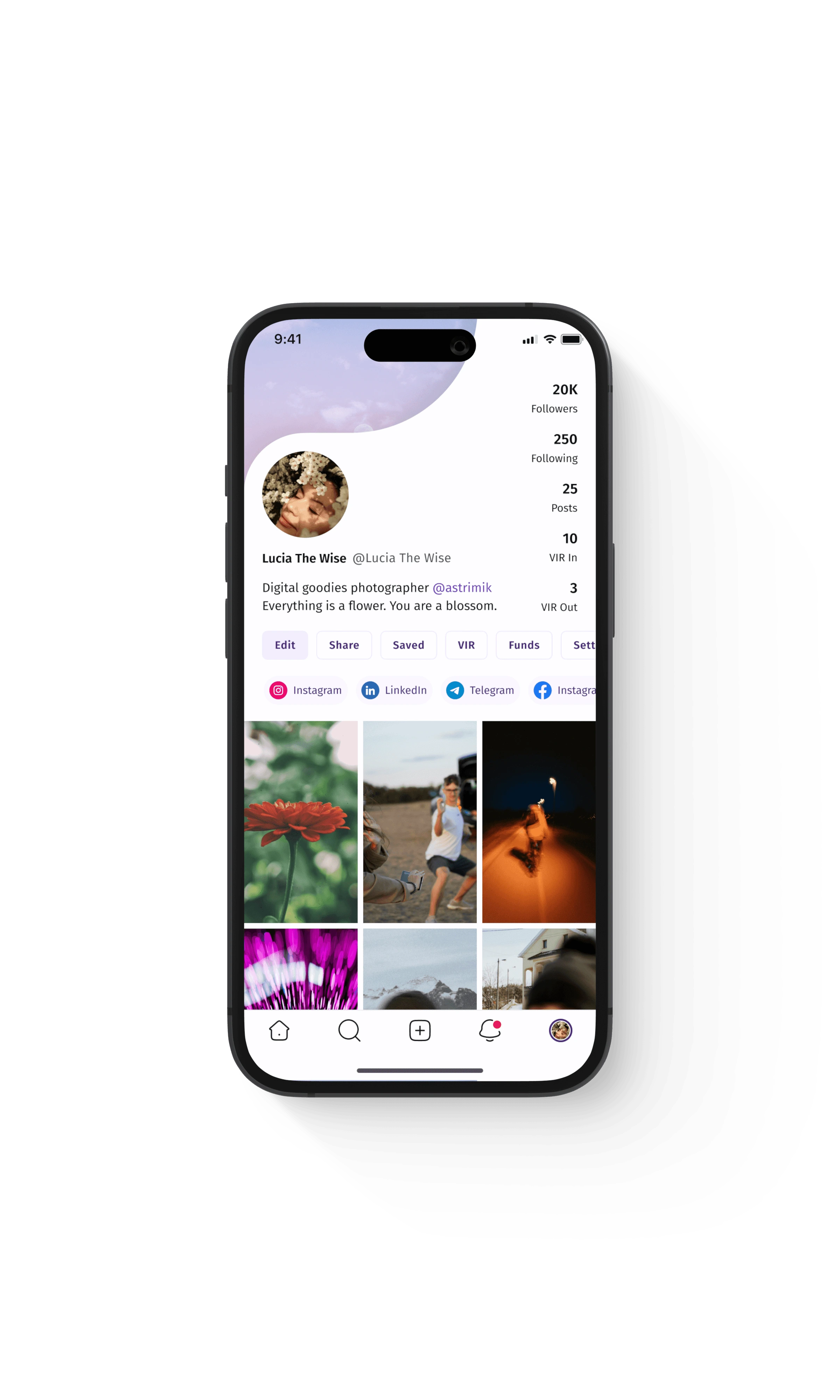
Profile hierarchy

Profiles give users a place to present themselves and start new interactions. The information hierarchy was designed to work with a small amount of content or a larger collection, whether someone is viewing their own profile or visiting another user's page.

Profile hierarchy
Profile hierarchy 1

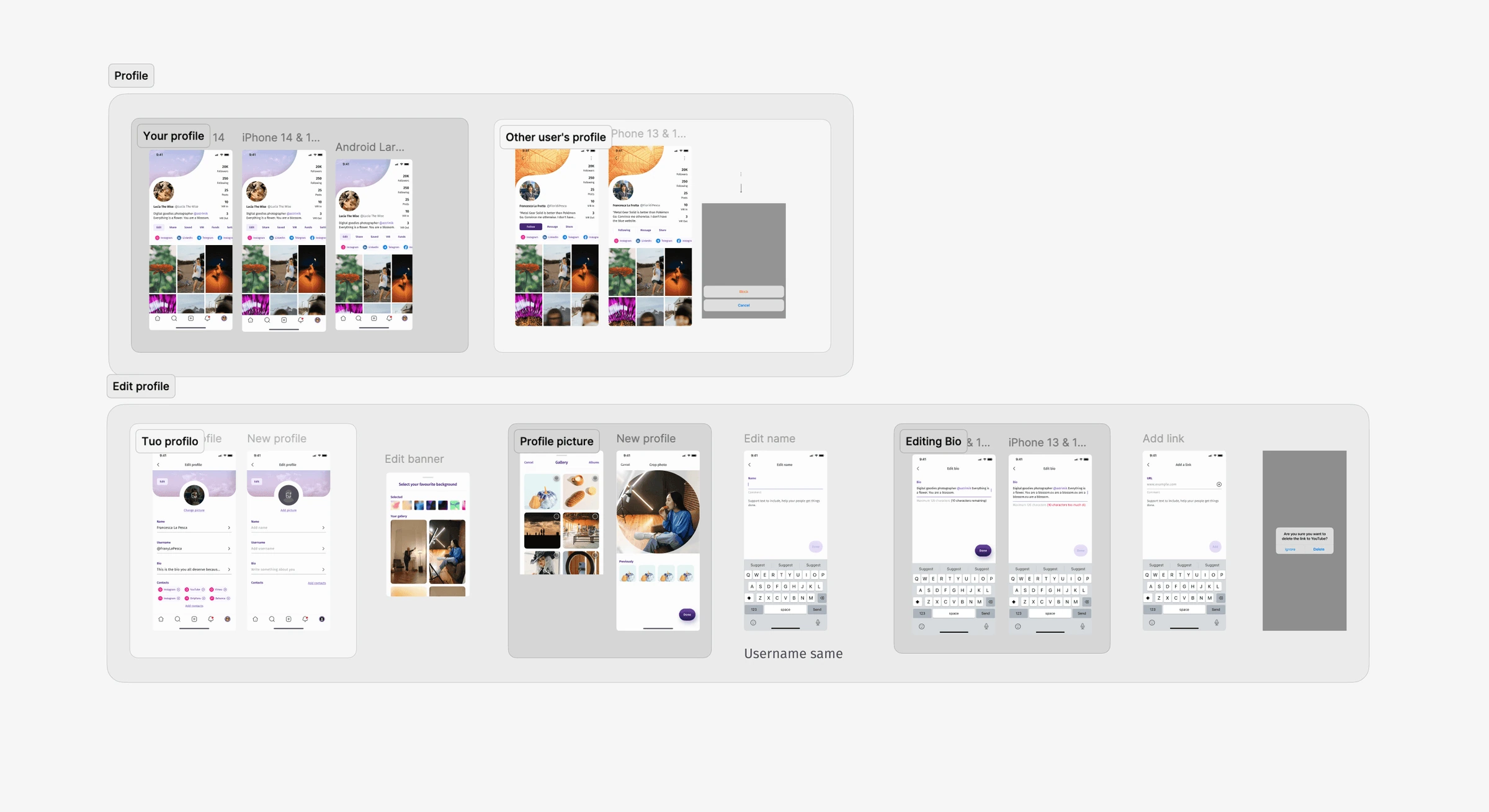
Developer documentation

The design files document differences between screens and how flows evolve after each interaction. This gives developers a reference for intended behavior and helps them reproduce the interface faithfully while meeting the brand's requirements.

Developer documentation

The project

The final Virality System design

The project brings feeds, profiles, and monetization flows into a recognizable social interface. The virality viewing mode and VIR placements give the product its own identity, while the documented screens and flows provide a reference for development.

The final Virality System design

What this project taught us

  • A feature-rich platform needs clear priorities: each screen should help users find the action they need.
  • An unfamiliar feature like VIR needs to explain itself through placement, information, and interaction within a familiar experience.
  • Monetization is part of the user experience. Purchasing placements and managing earnings deserve the same care as the feed.

Approach

What makes an interface useful for a complex social product

Simplicity does not come from removing features. It comes from making the user's goal, next action, feedback, and economic impact easy to understand.

In Virality System, UX/UI work balanced familiarity and differentiation: close enough to known social products to feel immediate, distinctive enough to make VIR stand out.

If you are building an app with proprietary mechanics, monetization, or complex flows, we can help turn it into a clear, adoptable product ready for development.

Assess your app