IoT use cases with operational ROI | DG Technologies
IoT is not valuable because there are sensors or devices. It is valuable when a signal becomes operational control, fewer errors, and more visibility.
- Related area
- IoT and hardware/software integration
- Decision context
- H/S Dev
- Access control with badges, NFC, or QR tied to workflow and audit trails.
- Asset tracking with status, location, check-in, and maintenance visibility.
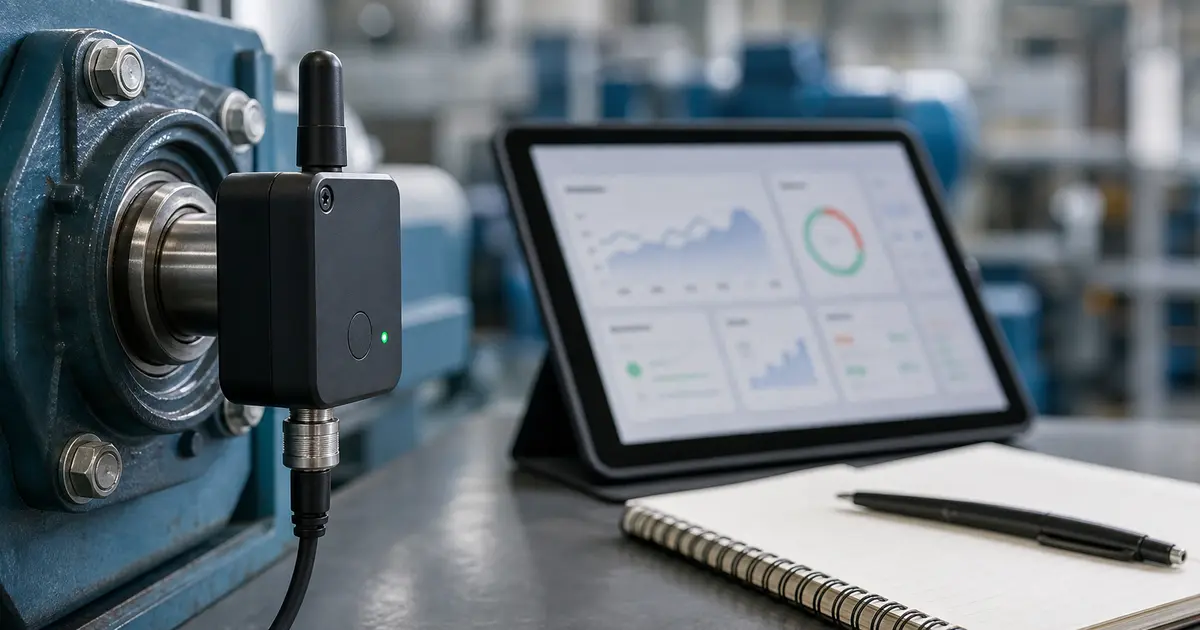
- Machine telemetry with thresholds and operational alerting.
Many IoT projects are sold starting from the device. That is the wrong way to frame them. IoT only becomes worth it when the signal changes something in daily work: an alert arrives earlier, a check becomes traceable, a step gets automated, or a decision is made with better context.
If the data remains isolated in a dashboard nobody uses, the project may look innovative but still fail to generate operational ROI.
Five cases where IoT creates real value
- Access control with badges, NFC, or QR tied to workflow and audit trails.
- Asset tracking with status, location, check-in, and maintenance visibility.
- Machine telemetry with thresholds and operational alerting.
- Monitoring distributed field activity with centralized visibility.
- Integration between devices, cloud systems, and internal teams to reduce manual work.
Where ROI is actually measured
The return is not in the number of sensors installed. It is in the reduction of time, errors, manual handoffs, untracked checks, silent downtime, or missing data when decisions need to be made.
That is why the strongest projects do not start from the device. They start from the operational question: what exactly should change in the work of the people using the system?
“An IoT project matters when the field becomes legible and actionable, not when it simply produces more data to look at.”
Davide Gentile
The short answer
The core point is not to adopt hardware/software integrations because it is technically possible, but to verify whether it improves a real operational step: fewer manual actions, fewer errors, better visibility, and faster decisions.
To evaluate "When IoT is truly worth it: 5 use cases with operational ROI", start from the workflow, available data, internal responsibilities, and the measurable impact on daily work.
Key takeaways for the decision
- The problem should be recurring, visible, and costly enough to justify structured work.
- The best answer is not always building from scratch: integration or simplification can create more value.
- Before estimating effort, clarify users, data, existing systems, constraints, and success criteria.
- A useful first release should solve one specific bottleneck instead of covering the whole process.
- Measure the project through practical indicators: saved time, fewer errors, better request handling, or stronger control.
How to read this topic inside a company
A page about hardware/software integrations is useful only if it helps a team decide what to do in a real case, not if it remains a generic overview. The first analysis should separate what is urgent from what is merely desirable.
Hidden cost usually appears in small operational steps: copied data, approvals handled by email, manual reports, or exceptions managed by a single person. When those steps become normal, software should make the workflow clearer before making it more automated.
A safer approach is to design a narrow first release, so the team can validate whether the solution fits daily work. Only after that does it make sense to extend features, automation, and integrations.
Frequently asked questions
When should a company discuss this with a technical partner?
When the issue already affects daily work, involves multiple people or tools, and creates delays, errors, or lack of control. A technical discovery clarifies whether development, integration, or process redesign is the right path.
What is the risk of starting development immediately?
The risk is building around a workflow that is not clear enough. Before writing code, the team should validate data, responsibilities, constraints, priorities, and expected outcomes.
How do you measure whether the project creates value?
Use practical metrics: less time spent on manual work, fewer errors, stronger traceability, faster response cycles, and better information quality.